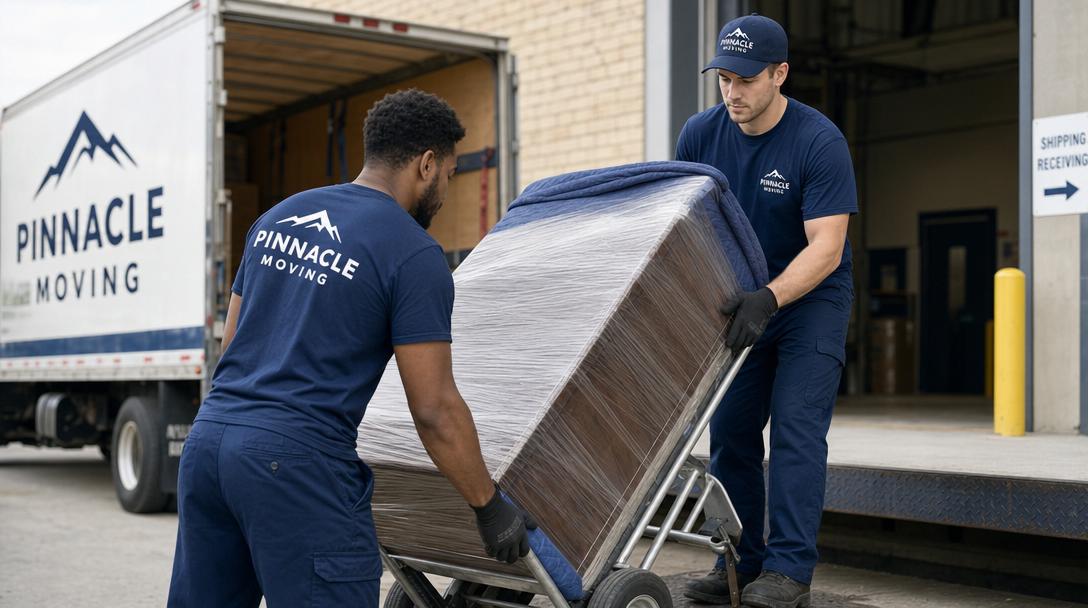
Labor-only movers are professionals who provide physical labor for moving tasks without handling packing, transportation, or unpacking. Clients pay for manpower to lift heavy items, load trucks, and disassemble furniture while managing other aspects of the move independently.
The Bottom Line: Labor-only movers reduce costs by focusing on physical labor, but require client involvement in logistics and packing to maximize savings.
Cost and Service Scope of Labor-Only Movers
Labor-only moving teams charge $50–$100/hour for 2–4 personnel, handling lifting, loading, and furniture disassembly. Clients supply boxes, blankets, and transportation while assuming liability for packed items. For a 2-bedroom move under 15 miles, total costs range from $400–$600 compared to $1,200+ for full-service moves in 2026.
Pricing varies based on team size and move complexity. Most companies exclude specialty items like pianos or electronics to limit liability, requiring clients to handle these separately. Hourly rates often include basic tools like dollies, but 60% of providers charge extra for appliance dollies or furniture straps.
Common Misconceptions About Labor-Only Moving
Many assume labor-only teams eliminate truck rental needs, but clients must arrange vehicles separately. Others believe providers handle fragile items, yet 72% of companies explicitly exclude electronics and glassware. A 2026 survey found 42% of users underestimated time requirements—thinking a 3-bedroom move takes 4 hours when it often requires 8+ hours with labor-only assistance.
Pro Tip: Always confirm whether the company provides tools like dollies or straps. Most standard packages exclude these, potentially adding $100–$200 to equipment rental costs.
When to Choose Labor-Only vs Full-Service Movers
Labor-only services suit short-distance moves (under 50 miles) where clients own or can rent a vehicle. They’re ideal for budget-conscious individuals with 2–3 days to plan and no fragile items. Full-service movers remain necessary for long-distance relocations, high-value possessions, or clients lacking time for logistics coordination.
Cost disparities widen beyond 100 miles. A 300-mile move might cost $2,500 with full-service providers versus $1,000–$1,500 using labor-only teams plus truck rental. However, labor-only clients spend 3–5 additional hours on coordination compared to full-service arrangements.
Practical Strategies for Optimizing Labor-Only Moves
Declutter 4–6 weeks before moving to reduce volume. Reserve trucks with 24-hour flexibility to avoid overtime fees. Create a destination floor plan to guide loading sequences. Pack essentials (tools, snacks, first-aid) in an accessible "OPEN FIRST" box.
Schedule teams 2–3 hours longer than estimated. A 3-hour job might require 5 hours when factoring in furniture disassembly and hallway navigation. Use color-coded labels on boxes to streamline unloading—red for kitchen, blue for bedrooms, etc.
Risks and How to Avoid Them
Underestimating physical demands causes 80% of injuries during DIY moves. Always request teams with at least 2 years’ experience handling oversized items. Confirm insurance covers structural damage—some exclude wall scuffs or doorframe dents. Provide clear start/end points: "Move garage items to truck first" to prevent chaos during high-volume transitions.
The Evolution of Labor-Only Moving Services
The model emerged during the 2008 recession as gig workers offered discounted labor via classifieds. By 2016, platforms like Undergrads systematized services with vetted teams and app-based scheduling. In 2026, 32% of urban moves use labor-only models, driven by rising full-service costs and vehicle rental accessibility through U-Haul’s 24/7 kiosks.
Despite growth, industry fragmentation persists—only 15% of providers operate nationally. Clients must verify local certifications rigorously, as service quality varies significantly between regions.
Labor-only movers reduce costs by focusing on physical labor, but require client involvement in logistics and packing to maximize savings. This model works best for budget-conscious individuals with basic moving needs and sufficient planning capacity.
Frequently Asked Questions
What services do labor-only movers provide?
Labor-only movers offer physical labor for tasks such as lifting heavy items, loading trucks, and disassembling furniture. They focus on the manual aspects of moving, allowing clients to manage other logistics independently.
How much do labor-only movers typically cost?
Labor-only moving teams generally charge $50–$100 per hour for 2–4 personnel. For a 2-bedroom move under 15 miles, the total cost can range from $400–$600, significantly less than full-service options.
What is the main difference between labor-only and full-service movers?
Labor-only movers provide only the physical labor for moving tasks, requiring clients to handle packing, transportation, and unpacking. Full-service movers manage all aspects of a move, including packing, transportation, and sometimes unpacking.
Do labor-only movers provide the moving truck?
No, clients must arrange for their own moving vehicle separately when using labor-only movers. The service focuses solely on providing manpower for loading and unloading.
When is it best to choose labor-only movers?
Labor-only services are ideal for short-distance moves (under 50 miles) where clients have their own transportation or can rent a vehicle. They suit budget-conscious individuals who have time to plan and manage logistics, and do not have many fragile items.
What items are typically excluded from labor-only moving services?
Most labor-only companies exclude specialty items like pianos, electronics, and glassware to limit liability. Clients are usually responsible for handling these delicate or high-value possessions themselves.
What tools do labor-only movers provide?
Hourly rates for labor-only movers often include basic tools like dollies. However, about 60% of providers charge extra for specialized equipment such as appliance dollies or furniture straps.
How can clients optimize a labor-only move?
Clients can optimize a labor-only move by decluttering beforehand, reserving trucks with flexible timing, creating a destination floor plan, and packing essentials in an accessible 'OPEN FIRST' box. Scheduling teams for a few hours longer than estimated can also help account for unforeseen delays.