
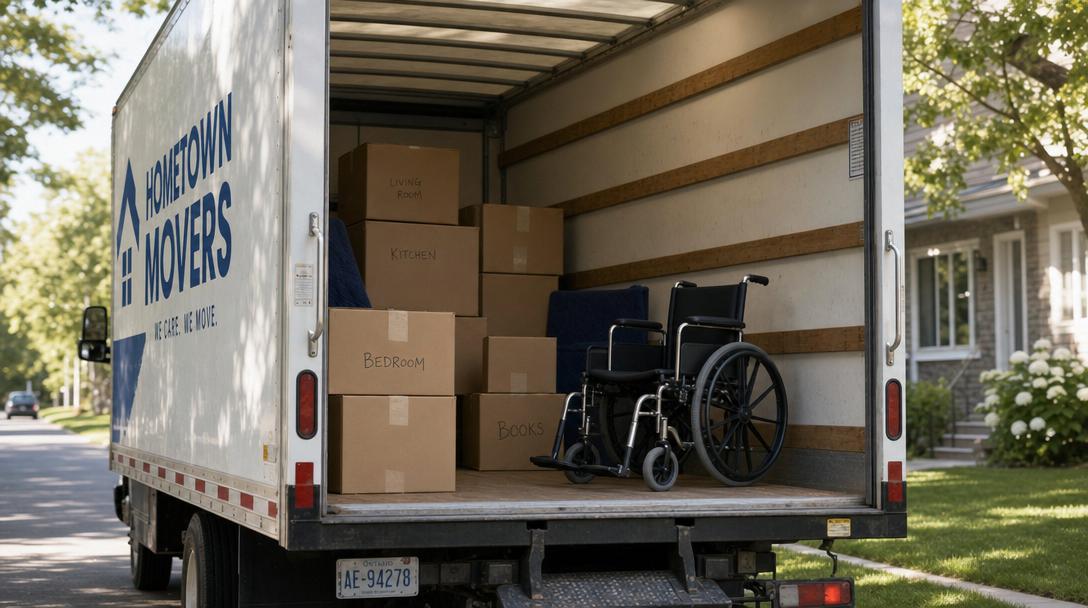
Moving after age 65 affects 1 in 7 Americans, but what should be an exciting new chapter often feels overwhelming. Physical limitations, emotional attachments to belongings, and complex logistics create unique challenges. This guide walks you through selecting and using senior-focused moving services to transform relocation into a positive experience while honoring decades of memories and prioritizing health needs.
Step 1: Assess Physical and Emotional Needs
Start by evaluating the senior’s physical capabilities and emotional relationship with their belongings. A 72-year-old with arthritis might struggle with packing boxes, while someone moving from a home lived in for 40 years may find parting with possessions emotionally taxing. Create a list of specific requirements: Do they need help lifting heavy items? Will sentimental items require careful handling? A common mistake here is assuming generic moving services can address these needs without explicit planning.
Warning: Avoid overlooking mobility constraints. A senior who insists they can pack “just fine” might later struggle with bending or lifting, causing delays and frustration.
Step 2: Research Senior-Specialized Providers
Search for moving companies offering tailored services like pre-move consultations, packing assistance, and flexible scheduling. For example, Safebound Moving & Storage provides pacing adjustments to accommodate health limitations. Check coastal moving services reviews to compare customer experiences, focusing on testimonials from seniors or caregivers. Verify credentials through the Department of Transportation (USDOT 2900155 for Safebound) and confirm insurance coverage for fragile items.
Step 3: Declutter Strategically
Focus on reducing belongings without discarding memories. Create three categories: keep, donate, and discard. Involve the senior in decisions to maintain control over their story. For instance, instead of tossing old photo albums, scan them digitally. A common pitfall is rushing this process—allow multiple sessions to avoid emotional fatigue. Professional organizers often charge $50–$150/hour but can accelerate decision-making while preserving dignity.
Key Takeaway: Sentimental items should never be boxed last-minute. Label memory boxes with specific contents (e.g., “Grandma’s China”) to ease unpacking stress.
Step 4: Plan the Move Timeline
Create a 6–8 week schedule with buffer days for unexpected delays. Example: Week 1–2 for decluttering, Week 3–4 for packing, Week 5 for utility transfers, and Week 6 for the physical move. Avoid cramming tasks—seniors often need extra time for medical appointments or rest days. Share the calendar with all involved parties (movers, family members) to ensure alignment.
Step 5: Pack with Care
Prioritize professional packing for fragile or valuable items like heirloom china or artwork. Use color-coded labels to identify room locations and essential boxes (e.g., medication, toiletries). A common oversight is underestimating the importance of labeling: “Kitchen – Fragile” might not help if the senior needs their coffee maker immediately. Pack a “first night” bag with medications, pajamas, and chargers to avoid post-move chaos.
Step 6: Execute the Move Day Plan
Coordinate with movers to ensure they understand the senior’s specific needs, such as frequent breaks or special handling of memory boxes. Assign a family member to supervise the loading process, double-checking that all labeled boxes are accounted for. A key mistake here is leaving the senior unattended—have someone dedicated to answering their questions or addressing concerns during the transition.
Step 7: Settle Into the New Home
Unpack systematically, starting with essential rooms like the kitchen and bedroom. Reconstruct familiar layouts to ease adjustment—place the senior’s favorite armchair in the same relative position as before. Test all utilities (medical alert systems, lighting) immediately. The expected result? A senior who feels settled and empowered in their new space within 2–3 weeks, with reduced post-move anxiety.
By following this process, seniors and caregivers can transform relocation from a source of stress into a celebration of new beginnings. Bonus tip: Schedule a pre-move visit to the new home to walk through the layout with movers, identifying potential challenges like narrow hallways or stairs before moving day arrives.
Frequently Asked Questions
Why are moving services for seniors often necessary?
Moving after age 65 can be overwhelming due to physical limitations, emotional attachments to belongings, and complex logistics. Specialized services address these unique challenges to make relocation a positive experience.
What should be considered when assessing a senior's needs for a move?
It's important to evaluate the senior's physical capabilities, such as their ability to pack, and their emotional relationship with their belongings. This helps in identifying specific requirements like help with heavy items or careful handling of sentimental possessions.
How can one find specialized moving providers for seniors?
Search for companies that offer tailored services like pre-move consultations, packing assistance, and flexible scheduling. Verify their credentials through the Department of Transportation and confirm insurance coverage for fragile items.
What is strategic decluttering for seniors?
Strategic decluttering involves reducing belongings without discarding memories by categorizing items into 'keep,' 'donate,' and 'discard.' Involve the senior in decisions and allow multiple sessions to avoid emotional fatigue.
What is the recommended timeline for a senior's move?
A 6–8 week schedule is recommended, including buffer days for unexpected delays. This timeline allows for decluttering, packing, utility transfers, and the physical move without rushing tasks.
How should items be packed for a senior's move?
Prioritize professional packing for fragile or valuable items and use color-coded labels to identify room locations and essential boxes. Pack a 'first night' bag with medications, pajamas, and chargers for immediate needs.
What is important on the move day itself?
Coordinate with movers to ensure they understand the senior's specific needs, such as frequent breaks or special handling of memory boxes. Assign a family member to supervise the loading process and address any concerns.
How can seniors settle into their new home more easily?
Unpack systematically, starting with essential rooms like the kitchen and bedroom. Reconstruct familiar layouts to ease adjustment and test all utilities immediately to help the senior feel settled and empowered.