You’ve spent months planning your cross-country RV adventure, only to realize moving your motorhome—3,000 pounds of customized living space—is a logistical nightmare. Will that sharp turn in Colorado damage your roof? Will you accidentally break a state law hauling it yourself? The anxiety of DIY RV moving isn’t worth the risk.
The Problem: Why DIY RV Moving Fails
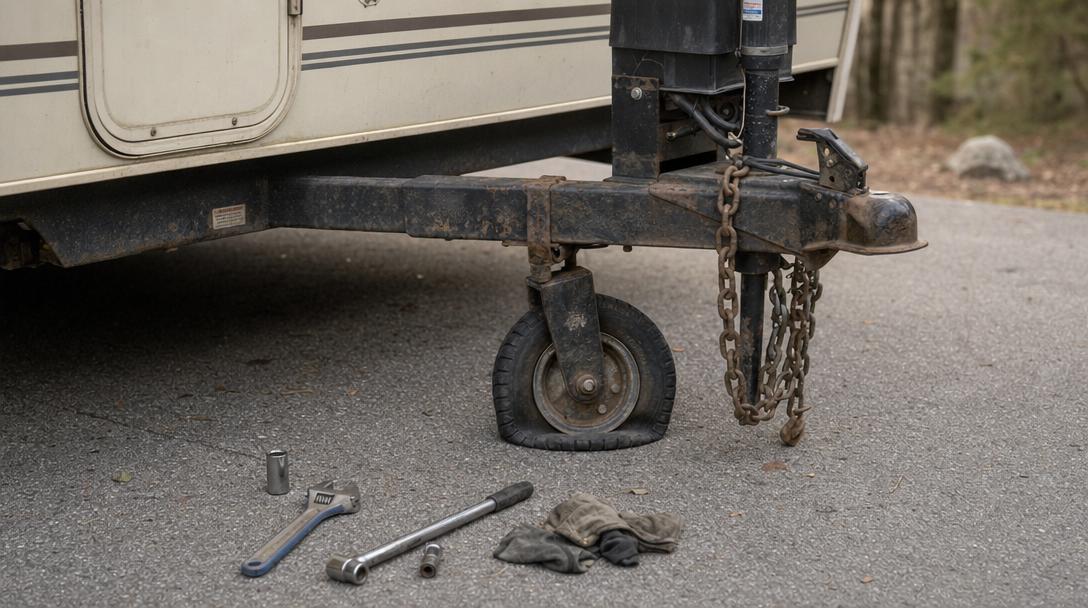
Imagine this: You’ve rented a truck rated to tow your 24-foot Class C motorhome. Halfway through Oregon’s winding I-84, the vehicle fishtails under sudden gusts. The $10,000 hitch you bought secondhand strains under the weight, while your hands sweat on a steering wheel not designed for this load. This isn’t just hypothetical—62% of DIY RV movers report at least one roadside emergency, according to recent industry surveys.
The root issue? Size and complexity. RVs aren’t just vehicles; they’re homes with fragile appliances, extended bodies, and specialized weight distribution. Most drivers lack the permits required for vehicles over 10,000 lbs, not to mention the skill to navigate height restrictions (RVs average 13.5 feet tall vs. 12-foot bridges). Even securing your RV properly demands equipment most people don’t own, like wheel chocks rated for 14,000 lbs or tension binders to prevent trailer sway.
Sound Familiar: "I thought hooking up my RV to a borrowed truck would work—until I got a $1,200 ticket for exceeding state weight limits."
Agitate: The Financial and Legal Fallout
This isn’t just about stress—it’s about survival. A single accident could leave you with $15,000 in repairs and a totaled RV, but that’s the least of your worries. Improperly secured loads cause 12% of highway fatalities annually, putting your life and others’ at risk. Imagine facing a $50,000 lawsuit if your unanchored RV detaches on I-10 and causes a multi-car collision. Most personal insurance policies cap coverage at $5,000 for commercial vehicles, leaving you personally liable for medical bills, legal fees, and property damage.
Time is equally non-negotiable. The 57 hours you’ll waste researching permits, securing equipment, and executing the move could have earned you $3,000 at your hourly rate. Meanwhile, 38 states now enforce strict CDL requirements for vehicles over 26,000 lbs, with penalties up to $2,500 per violation. One oversight turns your dream trip into a jailable offense.
Solution: How Professional RV Moving Services Save You
Professional RV moving services aren’t a luxury—they’re a financial shield. These companies have specialized equipment like hydraulic dollies to lift 40,000 lbs, permits for interstate travel, and drivers trained in navigating height/weight restrictions. Their insurance covers everything from minor scratches to total loss, with policies starting at $500,000 liability coverage.
Start by comparing services like moving companies bellevue or moving company round rock that offer RV-specific transport. Get quotes based on your motorhome’s dimensions and weight class, then prepare your RV by draining fluids, securing awnings, and removing loose items—a process that takes 2-3 hours with proper checklists. Trust experienced drivers to handle logistics; they’ll coordinate delivery windows matching your schedule, often with GPS tracking updates.
Quick Win: Call a local RV transport provider today—many offer free consultations that reveal hidden risks you might have missed.
When you choose professional RV moving, you’re not just paying for a service—you’re eliminating stress, legal exposure, and potential six-figure losses. Your motorhome arrives intact, ready for adventure, while you avoid the 57-hour DIY headache. Ready to move smarter? Start by contacting brown packing company for a tailored transport plan.
Frequently Asked Questions
Why is DIY RV moving risky?
DIY RV moving is risky due to the size and complexity of RVs, which are essentially homes with fragile components. Most drivers lack the necessary permits for large vehicles, the skill to navigate height restrictions, and the specialized equipment needed for secure transport.
What are the potential financial and legal consequences of DIY RV moving?
DIY RV moving can lead to significant financial and legal fallout, including thousands in repairs for accidents, potential lawsuits if an unsecured RV causes a collision, and fines for exceeding weight limits or violating CDL requirements. Most personal insurance policies offer limited coverage for commercial vehicles, leaving individuals liable for substantial costs.
How do professional RV moving services mitigate risks?
Professional RV moving services mitigate risks by utilizing specialized equipment like hydraulic dollies, possessing necessary interstate permits, and employing drivers trained in navigating height and weight restrictions. These services also provide comprehensive insurance coverage, often starting with $500,000 in liability, protecting against damage or loss.
What steps should I take when preparing my RV for professional transport?
When preparing your RV for professional transport, you should drain all fluids, securely fasten awnings, and remove any loose items from inside. This preparation process typically takes 2-3 hours and ensures the RV is ready for safe transit.
What are the benefits of using a professional RV moving service?
Using a professional RV moving service eliminates stress, reduces legal exposure, and prevents potential six-figure losses associated with DIY attempts. It ensures your motorhome arrives safely and on schedule, allowing you to avoid the time and hassle of managing the logistics yourself.